I can't look at a product without asking why it exists, and lately, why now. It's a compulsion, not a process.
AI now decides more of what people see, trust, and act on, so guardrails matter more than polish. An enterprise ML platform earning trust inside a skeptical institution, and a media literacy tool built on judging for yourself, taught me the same lesson twice. The interface is rarely the hard part. Deciding who the system should defer to is.
The best products are invisible. An Apple Watch that catches a heartbeat and calls for help. If someone notices they're using your product, it hasn't done its job yet.
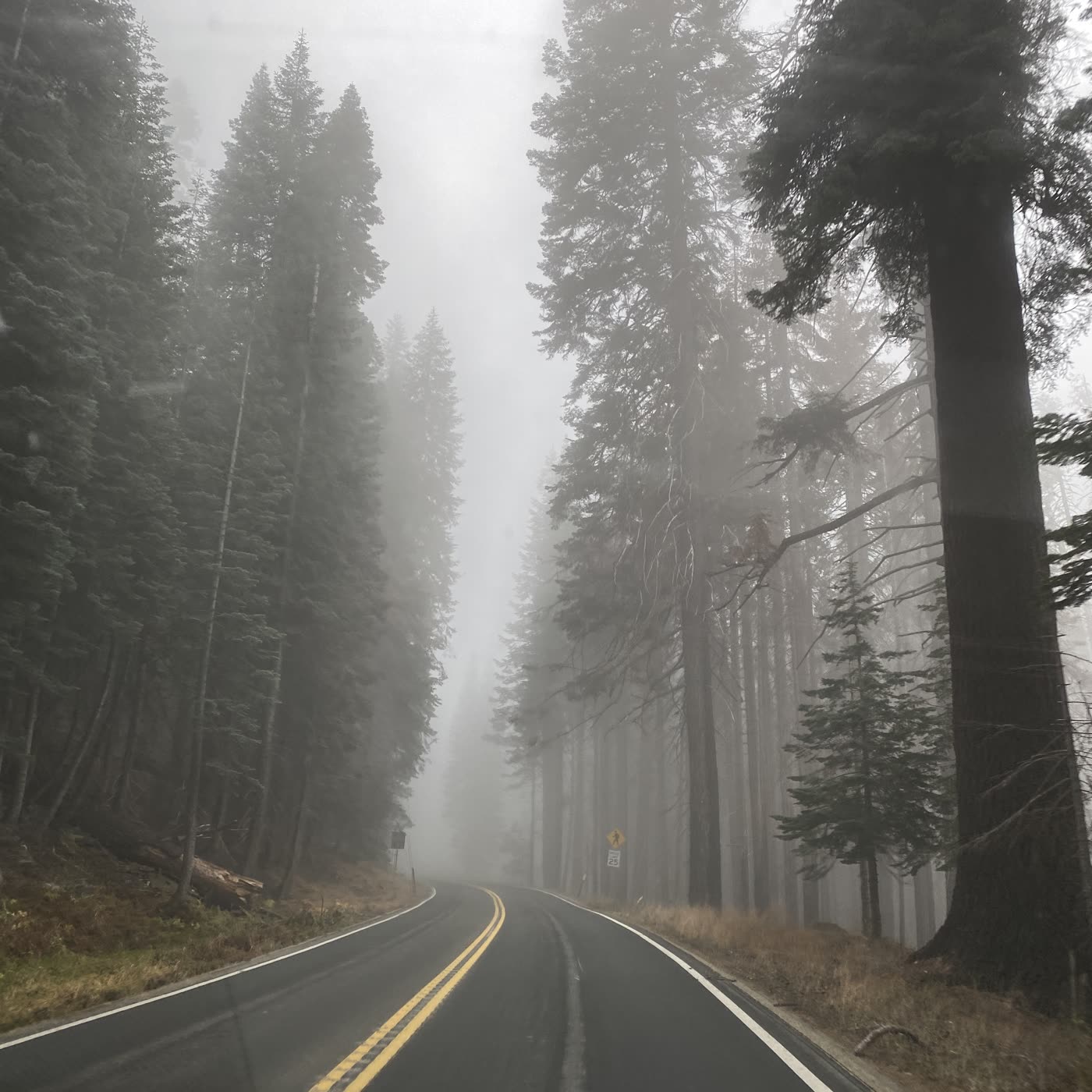
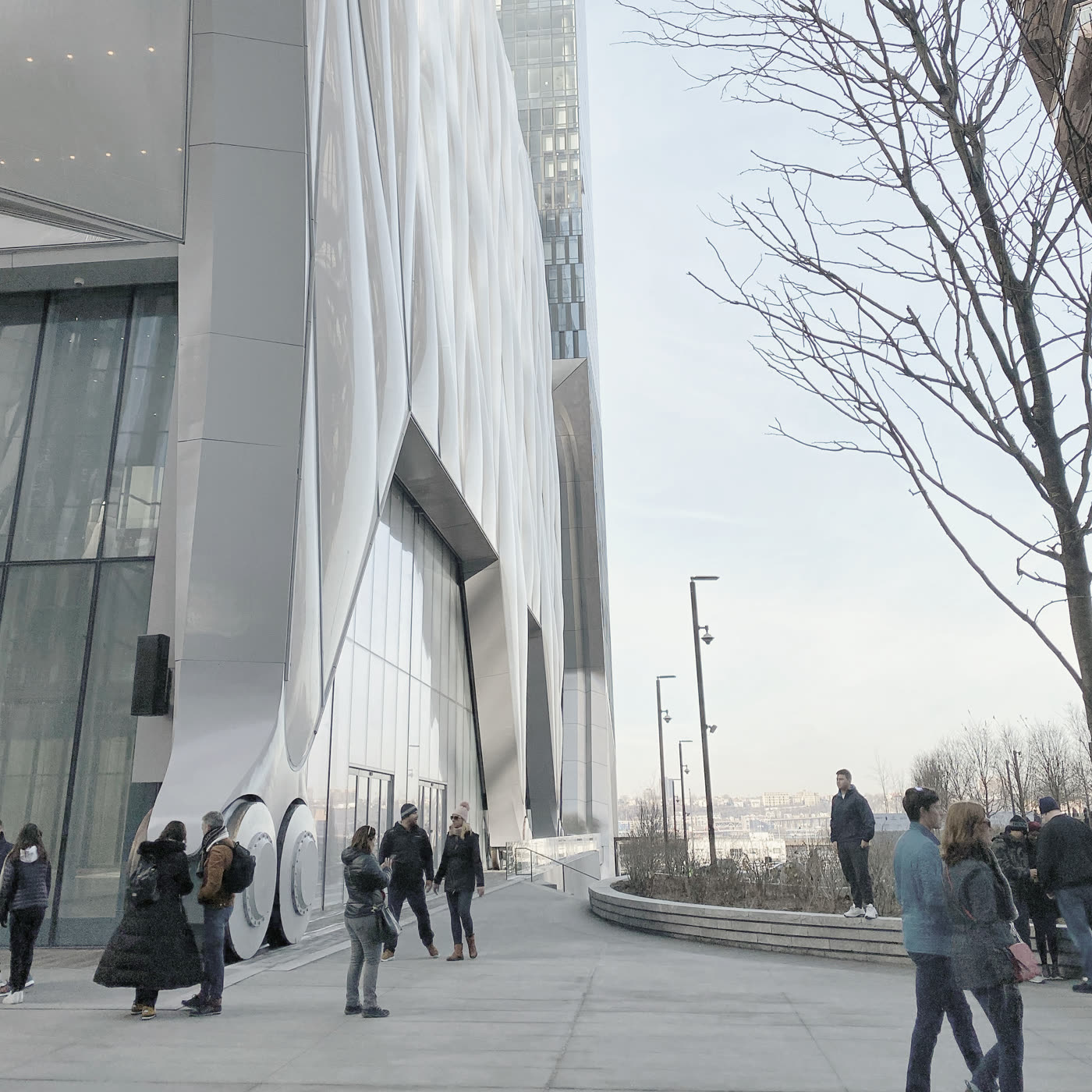
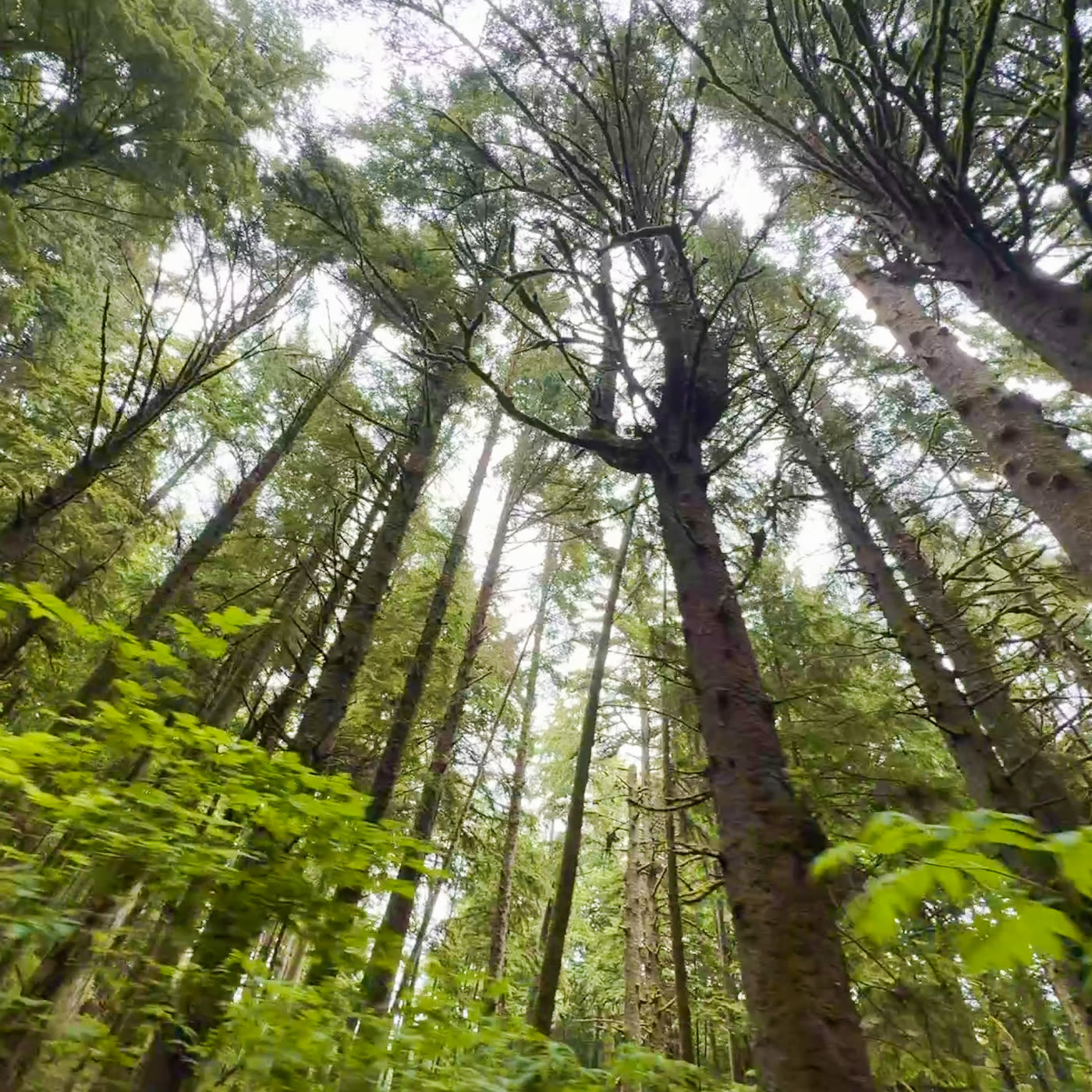
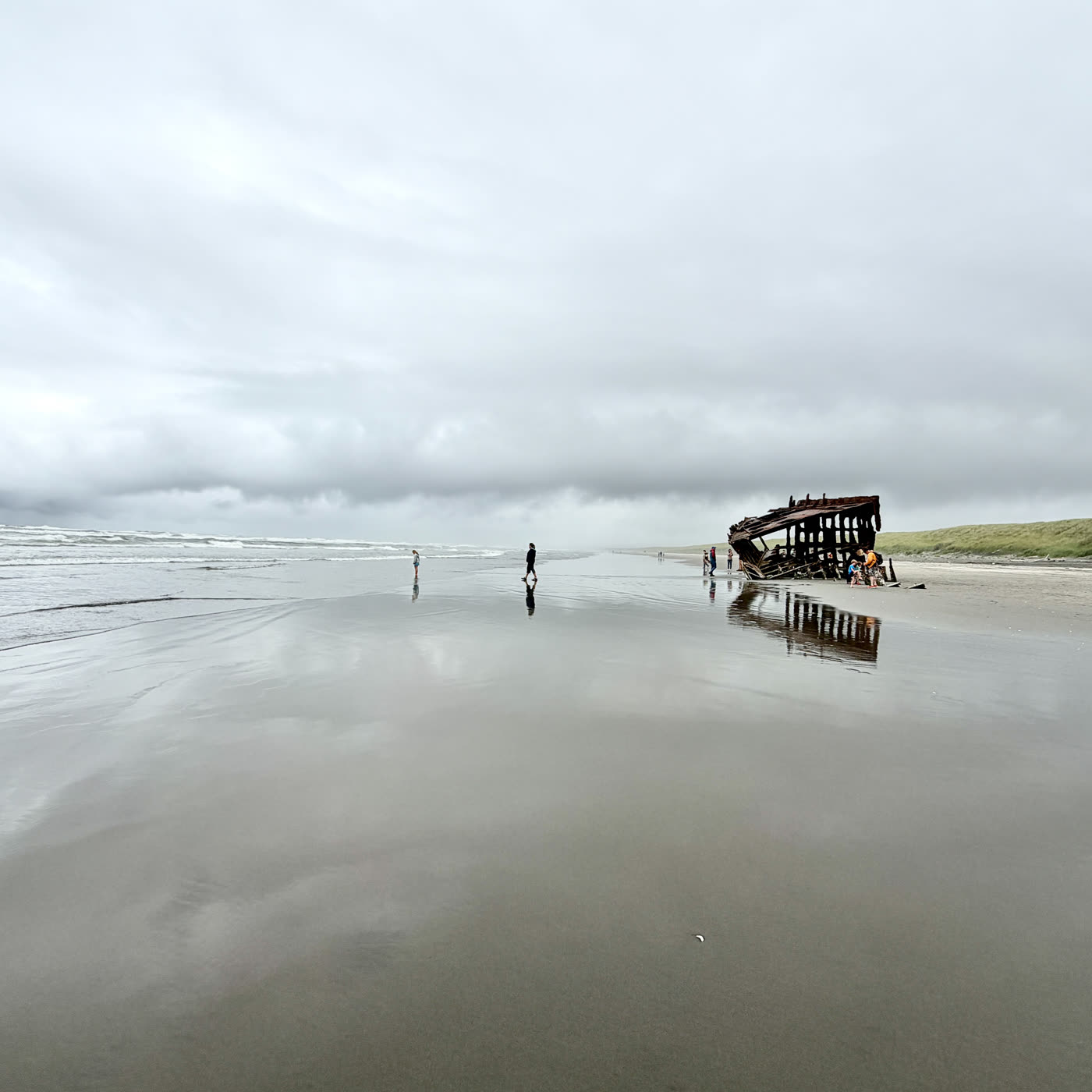
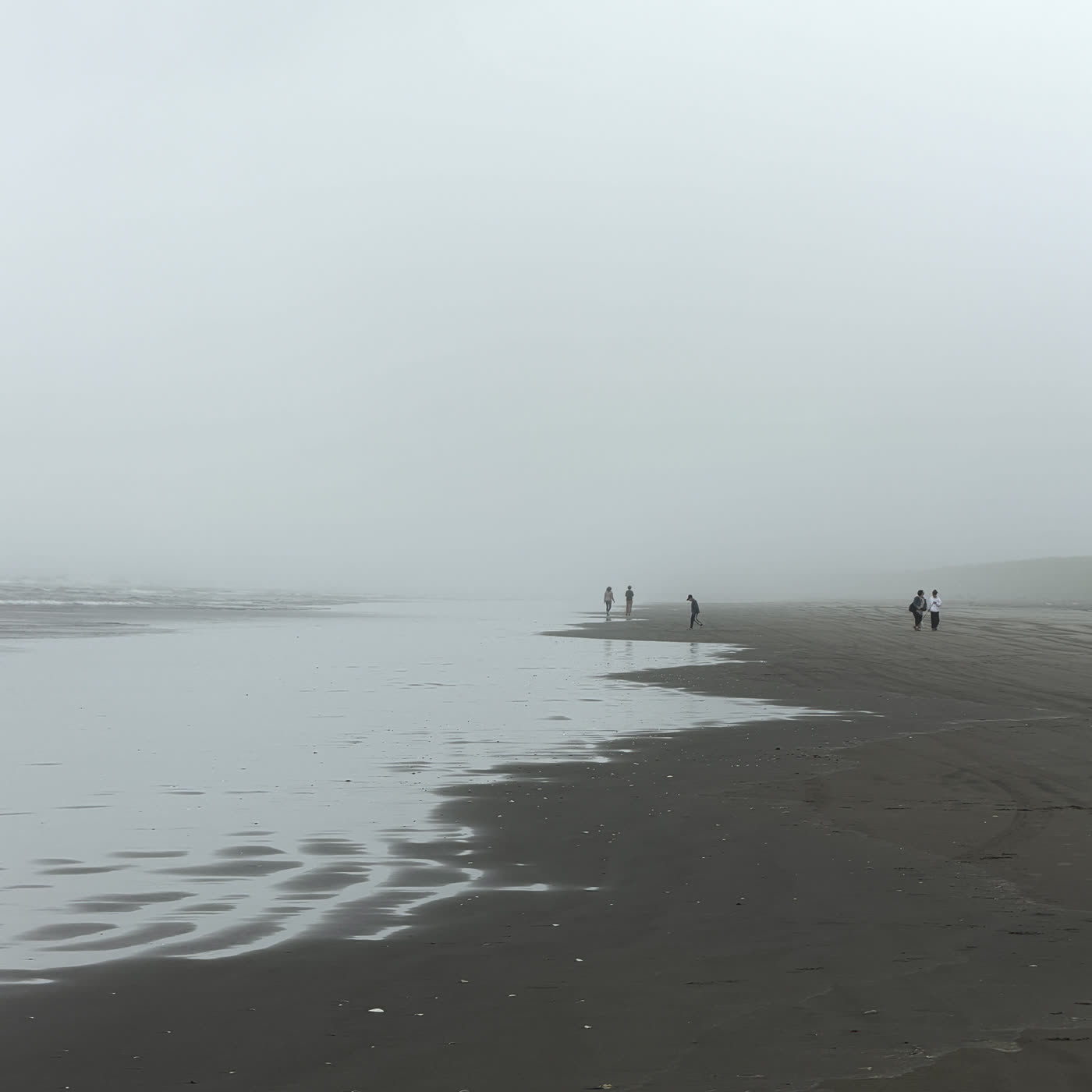
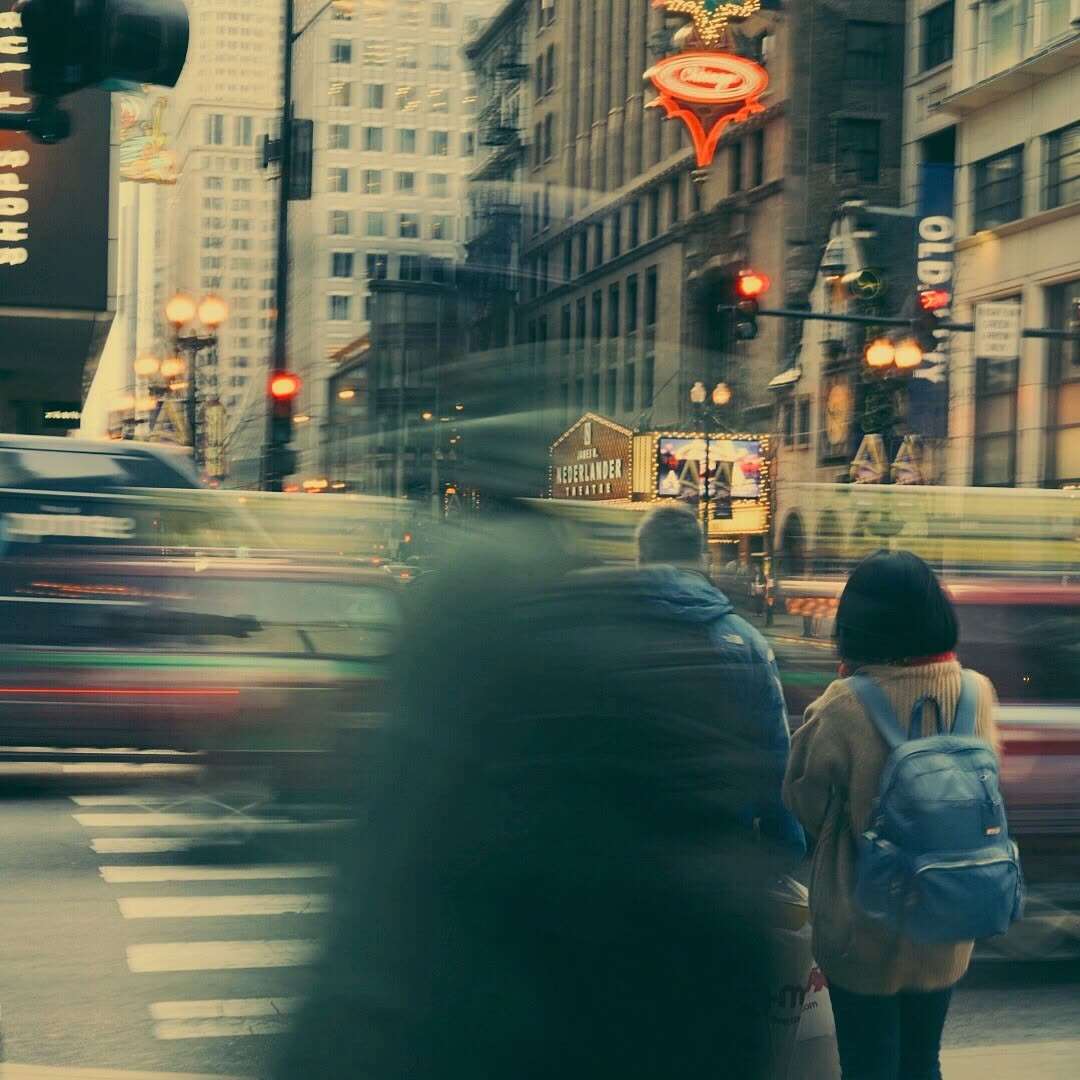
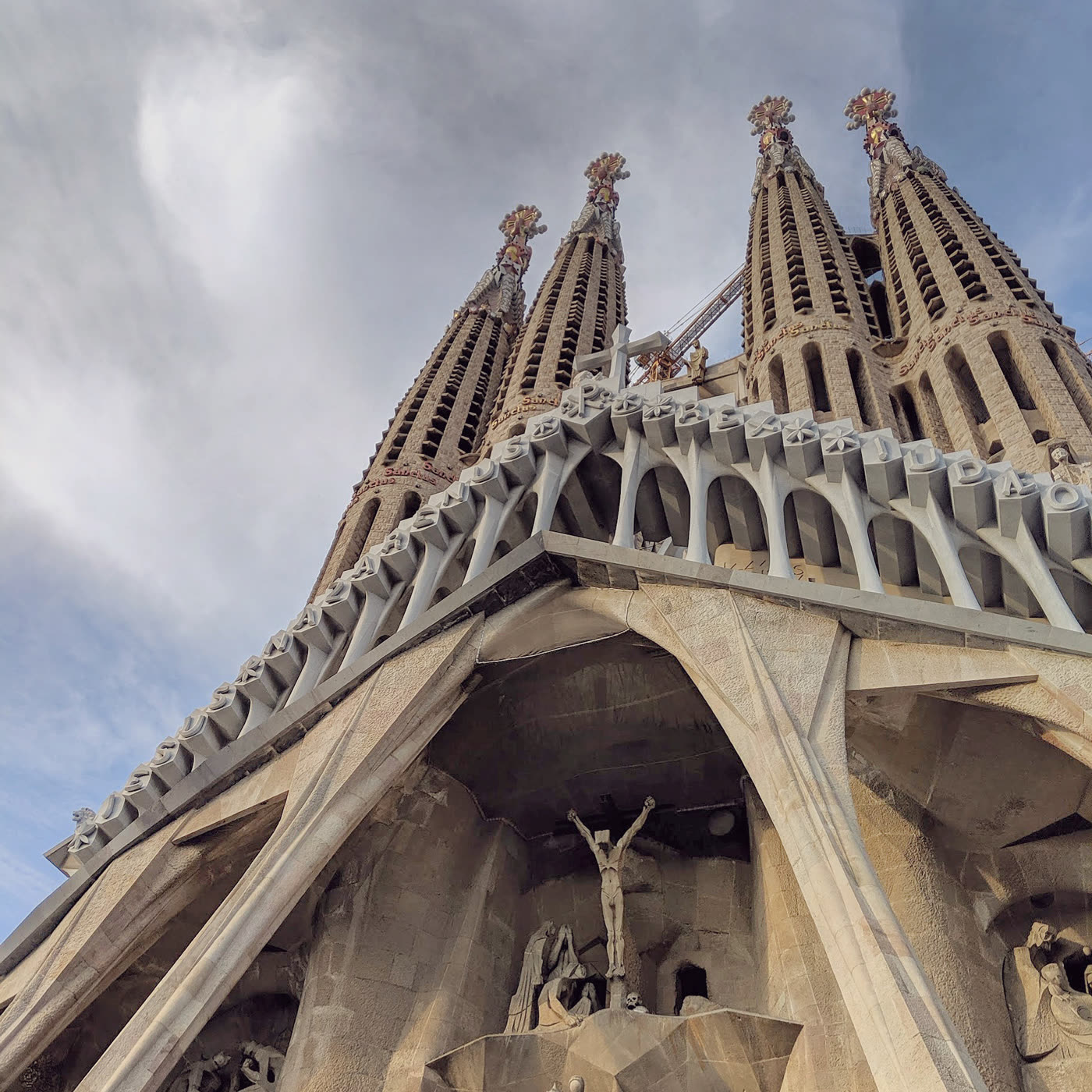
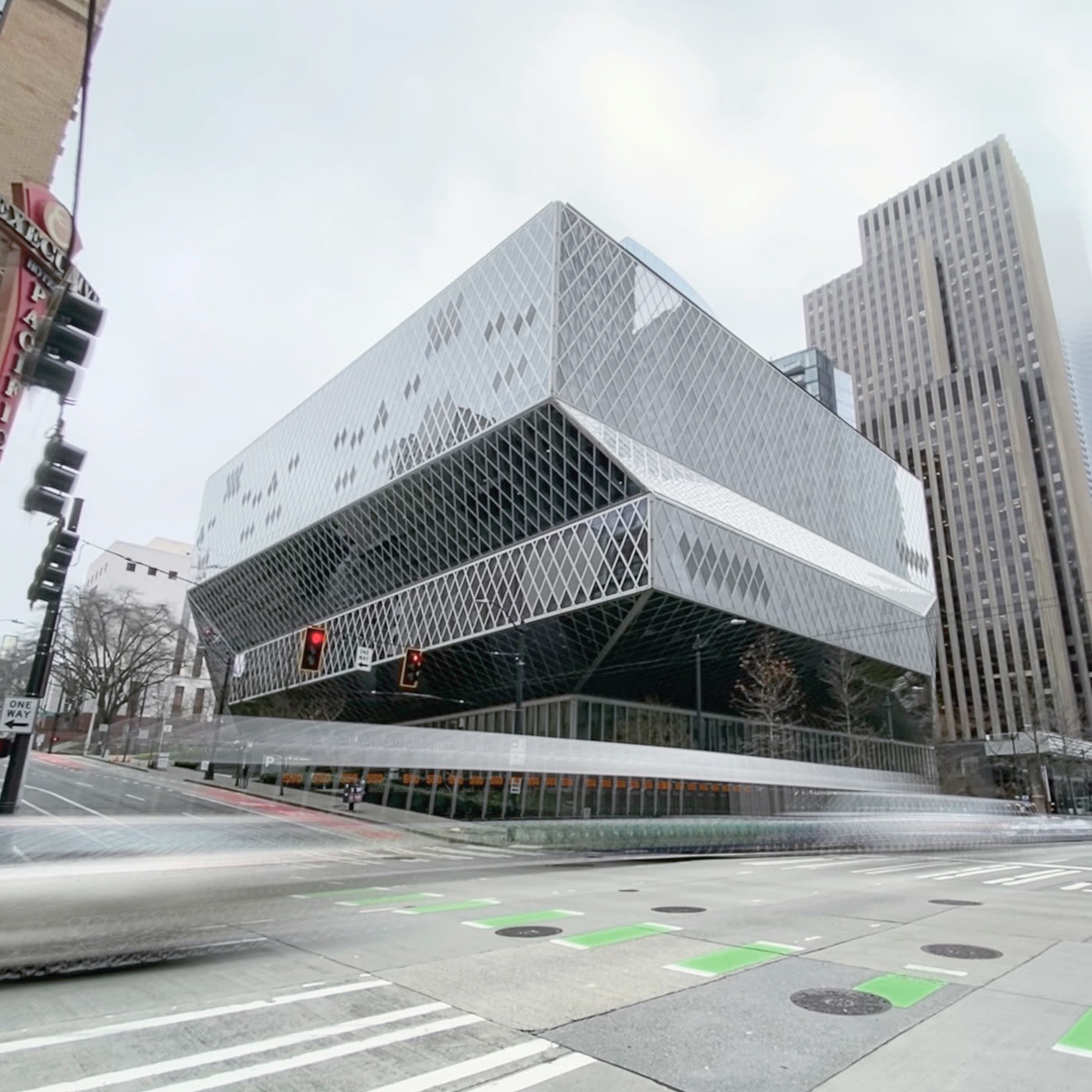
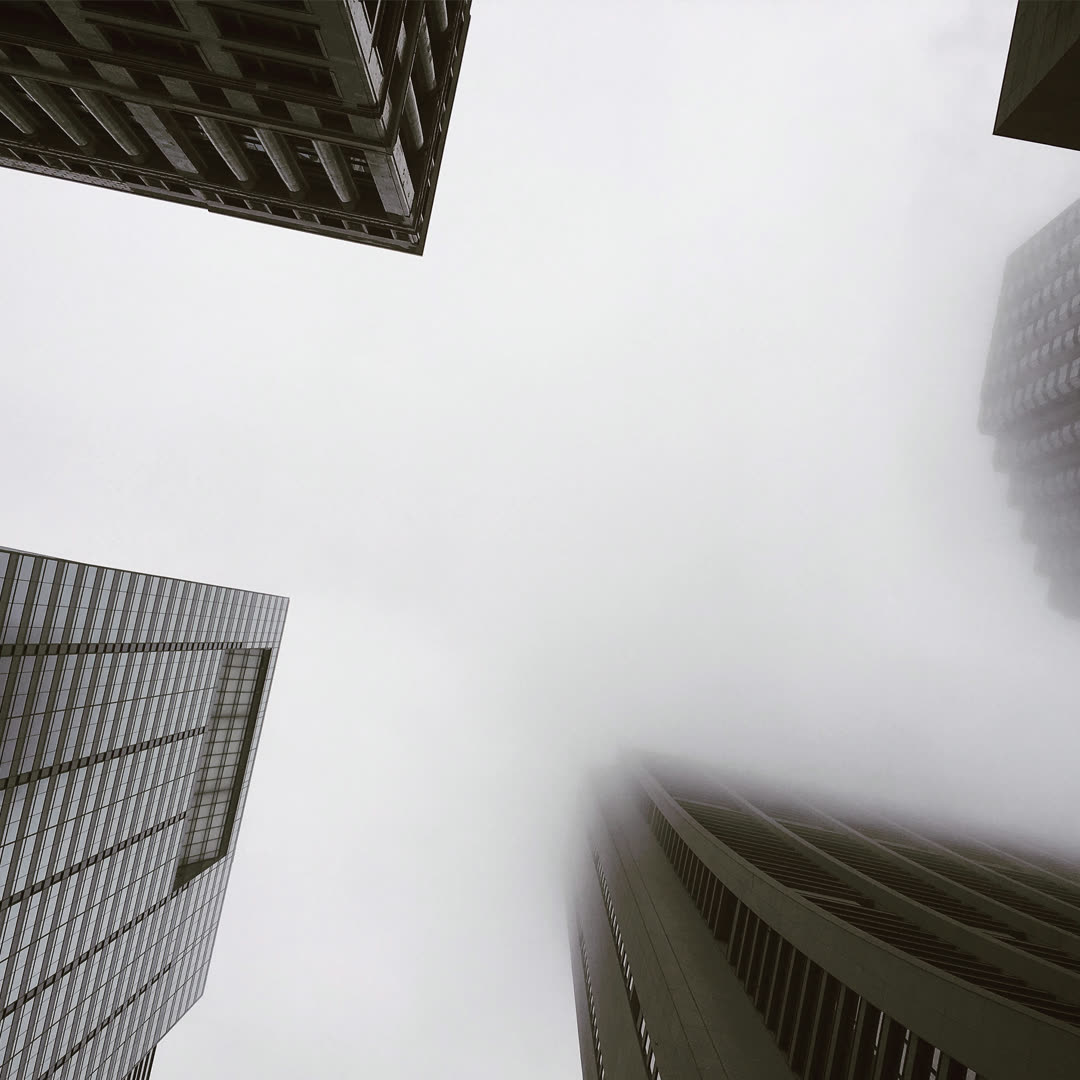
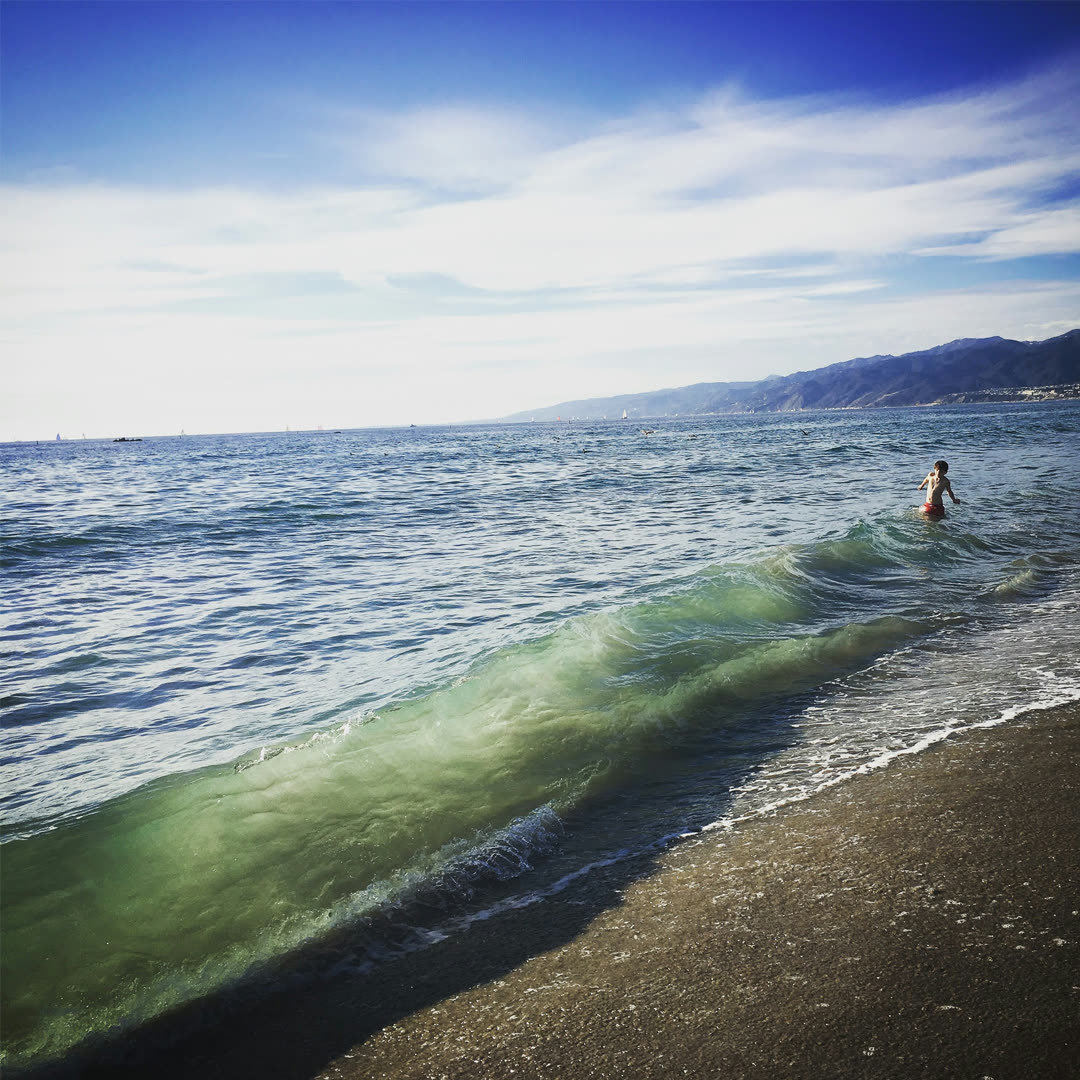
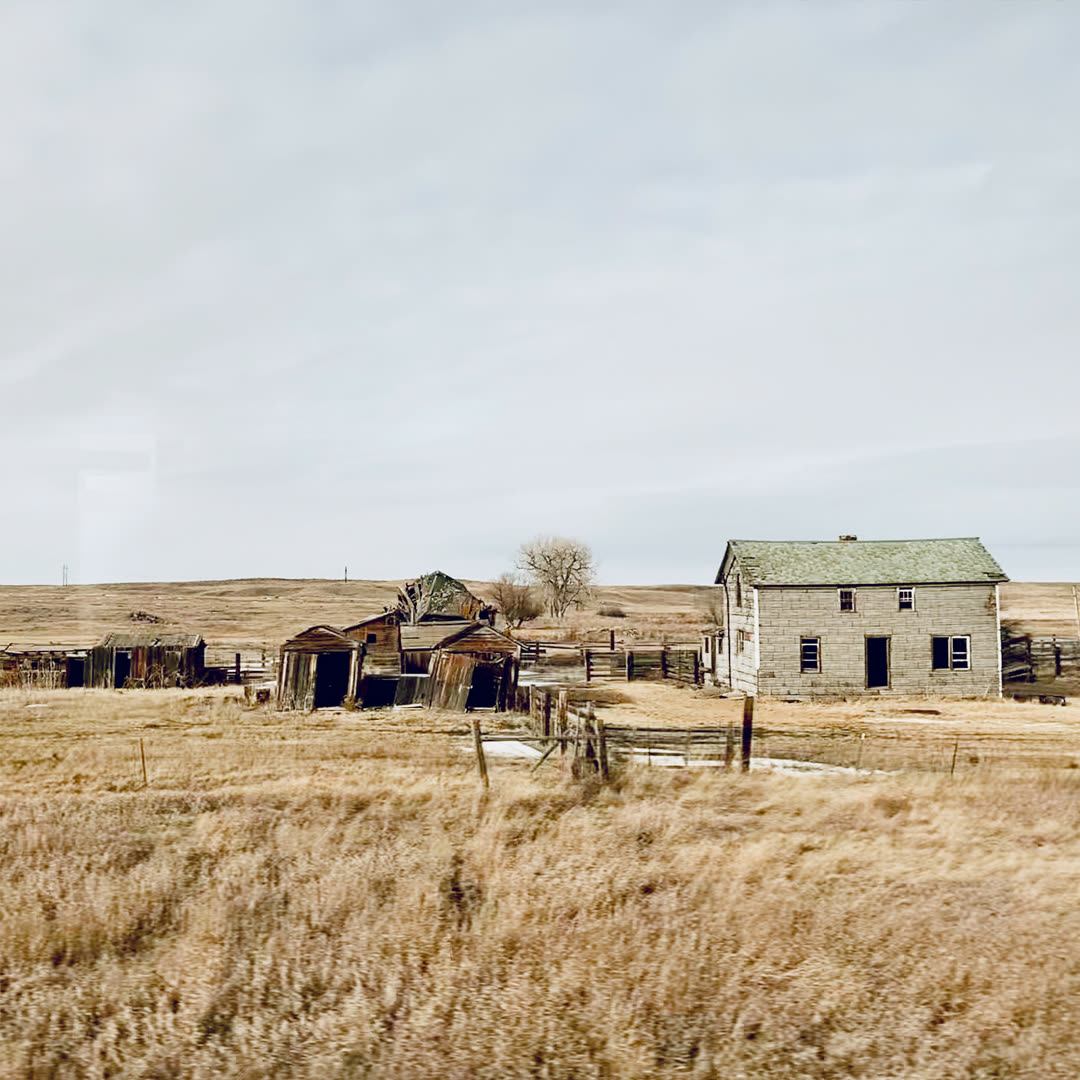
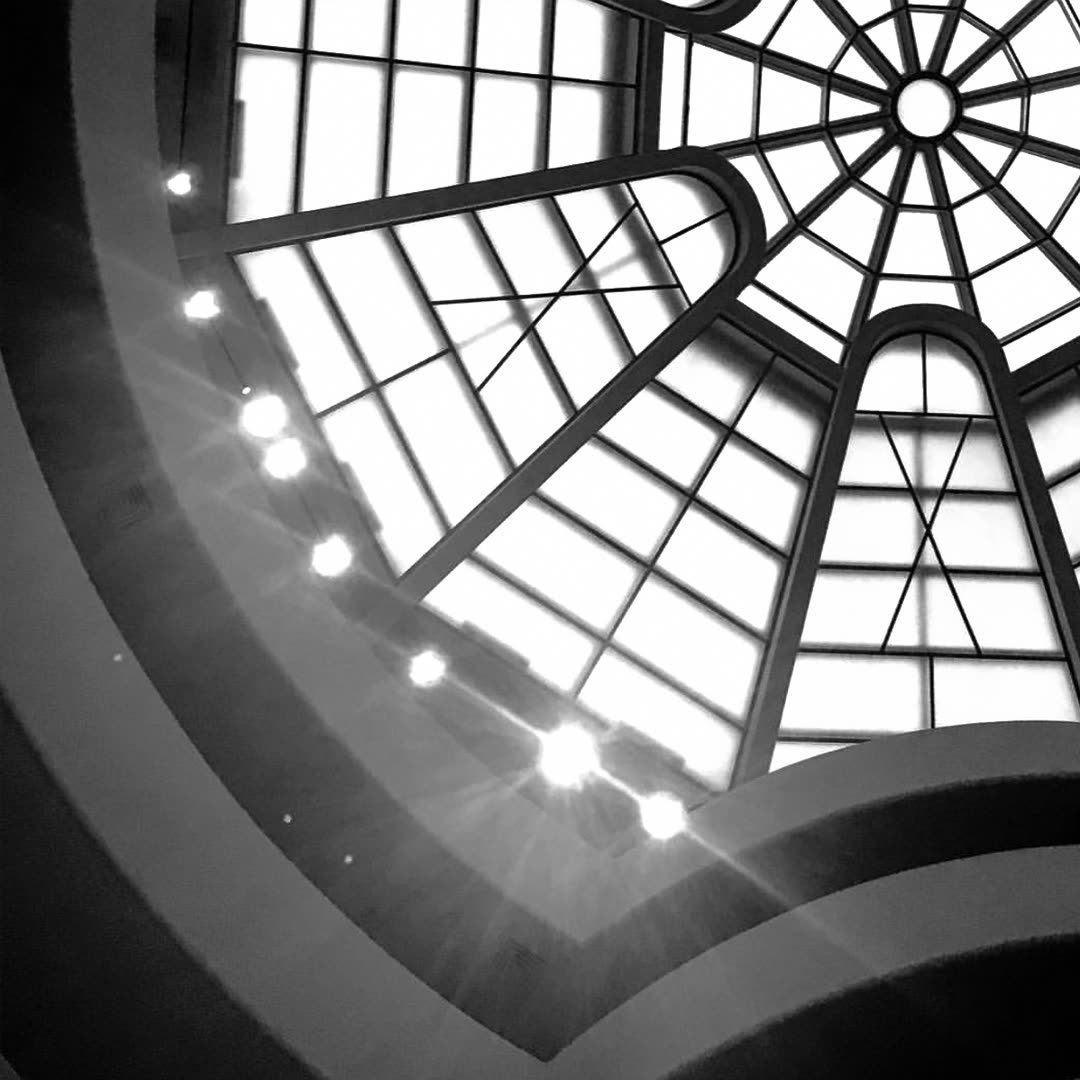
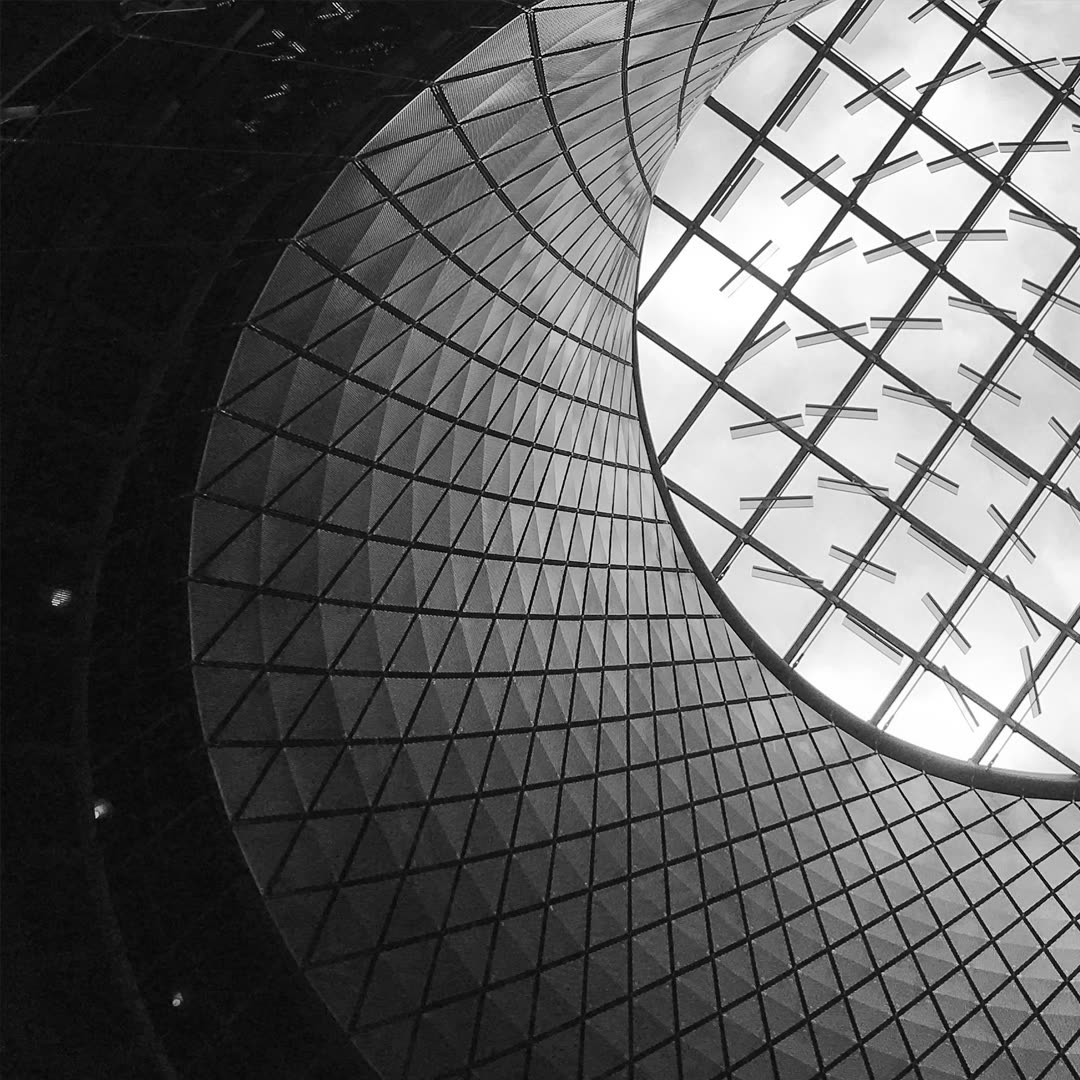
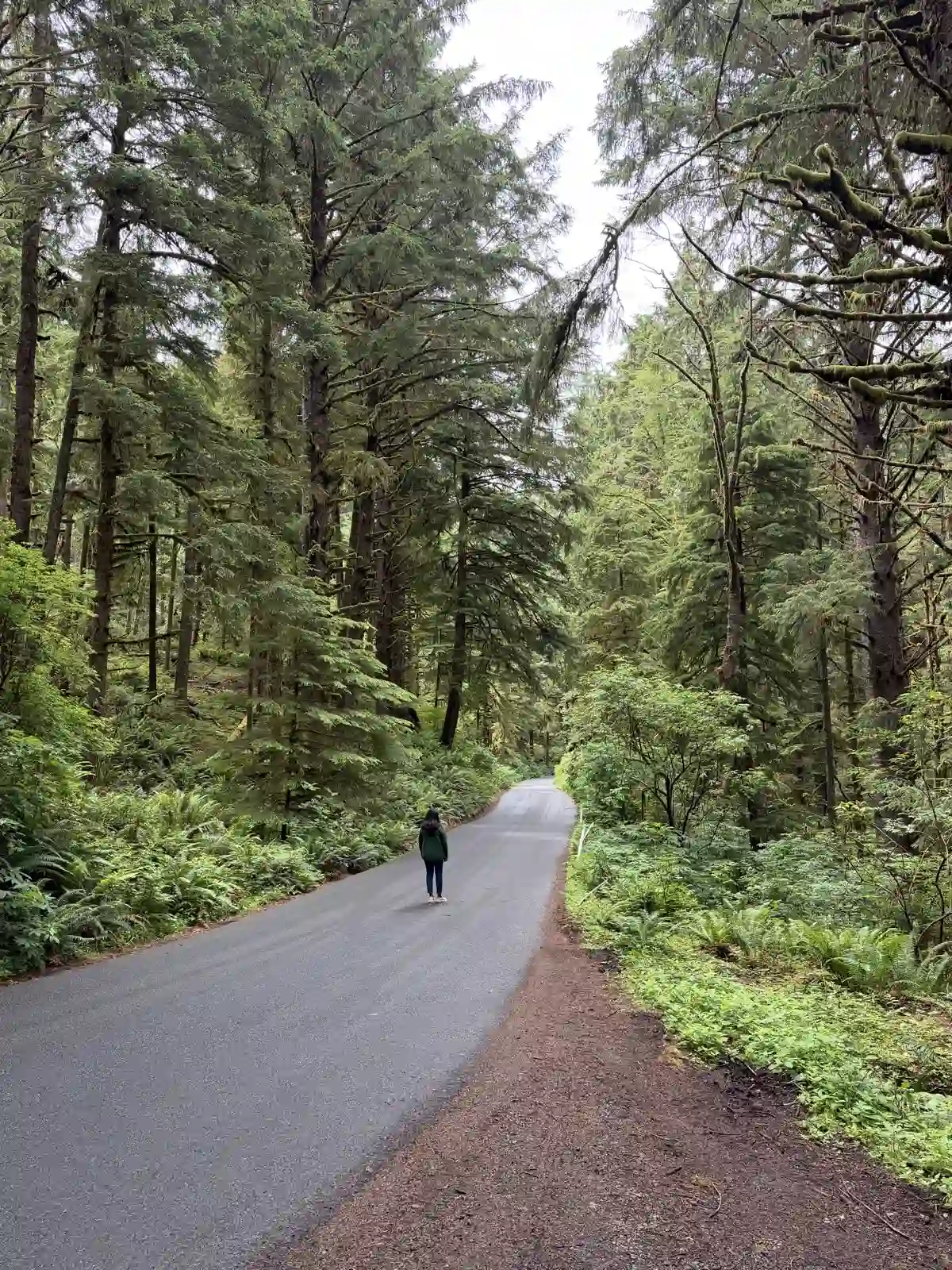
I take a lot of photos of stuff most people walk past. Fog swallowing a road through sequoias. A library that looks about to unfold onto the sidewalk. I'm not sure why my eyes work that way, but I can't turn it off.
Every city I've lived in left an opinion about public transit nobody asked for. I collect things that make people look twice, and lose sleep over problems that were never part of the assignment. Superpower or boundary problem, probably both.
When I'm in my 60s, I want a barn full of animals, surrounded by tall trees, reading every day. Until then, I'll be the one asking why the button needs to move at all.